
26 March 2026
|
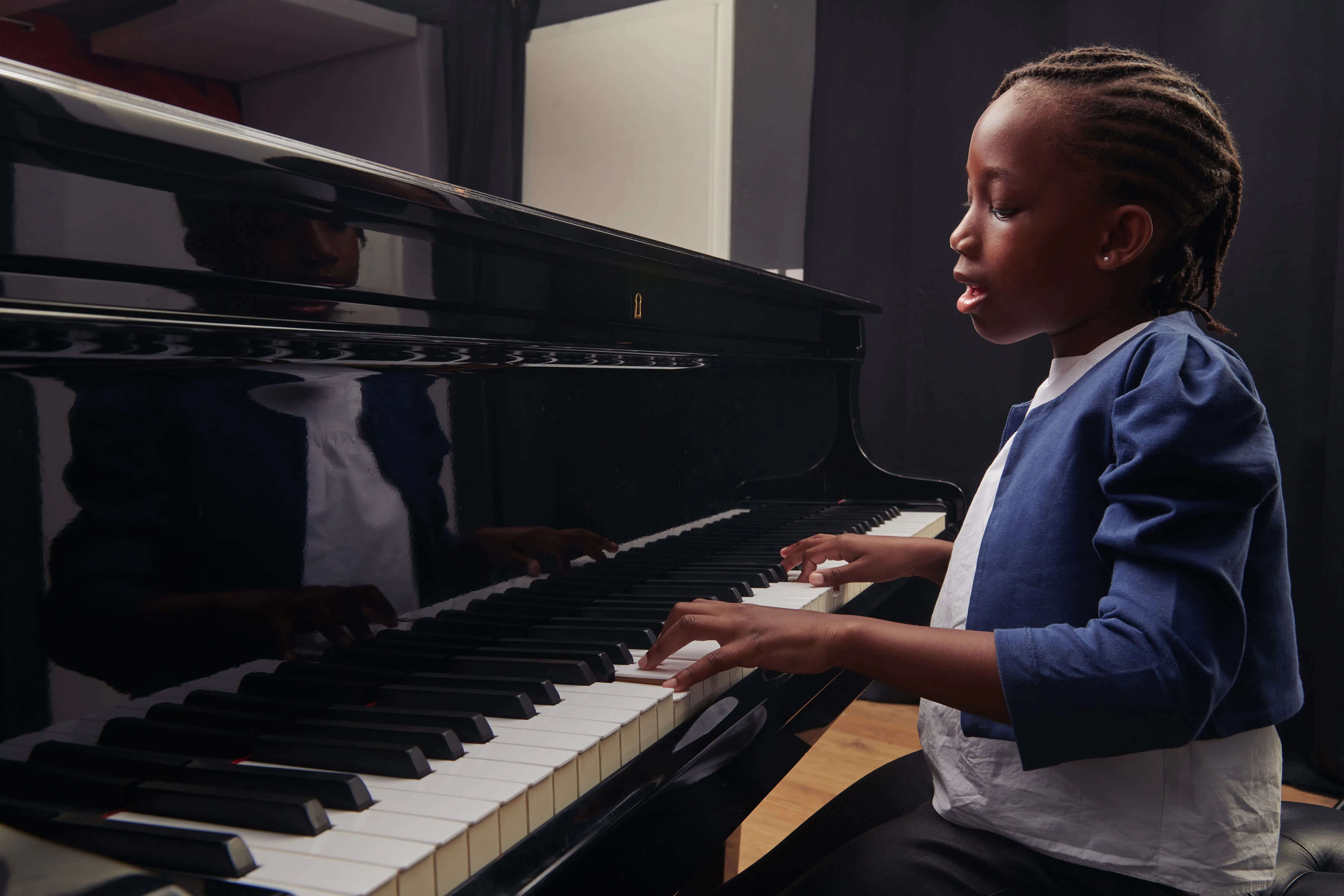
For beginner pianists, whether young or mature, there are many things to consider before diving in – and that includes choosing the right learning method and then discovering exciting repertoire
It is always really useful to help a new student with some pre-learning tips and advice. The beginner will often ask lots of questions: Do I need a piano? How soon can I become a concert pianist? When will I be able to play by ear? How long will it take before I can learn Debussy’s Clair de lune? (And there’s lots more.) Here are some important things you might wish to be asking before you start – whether you go down the piano-teacher route or decide to go it alone.
Define your goals
Save yourself the time, and address the following: what do I really want to get out of playing the piano? Is it for professional reasons, retirement, relaxation or fun? Do I have an idea of the kind of repertoire I would like to play? Jazz piano or the classics? Boogie-woogie, a Chopin waltz or Beethoven’s ‘Moonlight’ Sonata? Do I want to take exams? Do I want an opportunity to show off a party piece in front of friends? Whether you’re a complete novice or re-starter, try to have some kind of a goal in mind, however unrealistic this may seem at first (you can always refine the enthusiasm later on).
Talk to other learners
Talk to people who have taken up the piano recently and to those who have been playing for a long time. Ask them what they get out of playing, and ask them about the pros and cons. Pros could be anything from reducing stress levels to being able to play that piece you’ve loved since you were the age of 9. Cons could be anything from the time commitment required to not being able to practise whenever you like in the comfort of your own home.
Find a piano
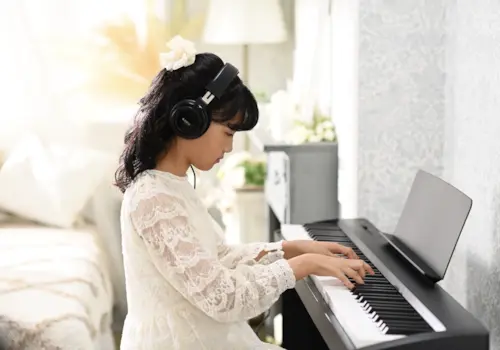
Once you’ve made up your mind that you want to play, take on seriously the practicalities of accommodating a piano or keyboard. Don’t just rush out and buy the first thing you see, like that nine-foot concert grand in the music shop window, momentarily forgetting you live on the 12th floor of a residential block that forbids the playing of any kind of musical instrument. There are plenty of options available out there, from buying (or renting) an upright or grand acoustic piano – or a digital instrument which doesn’t require tuning and you can get a set of headphones for silent practising. A great way to explore all the models on offer is by browsing the pages of our 2026 Piano Buyer's Guide.
So where to begin?
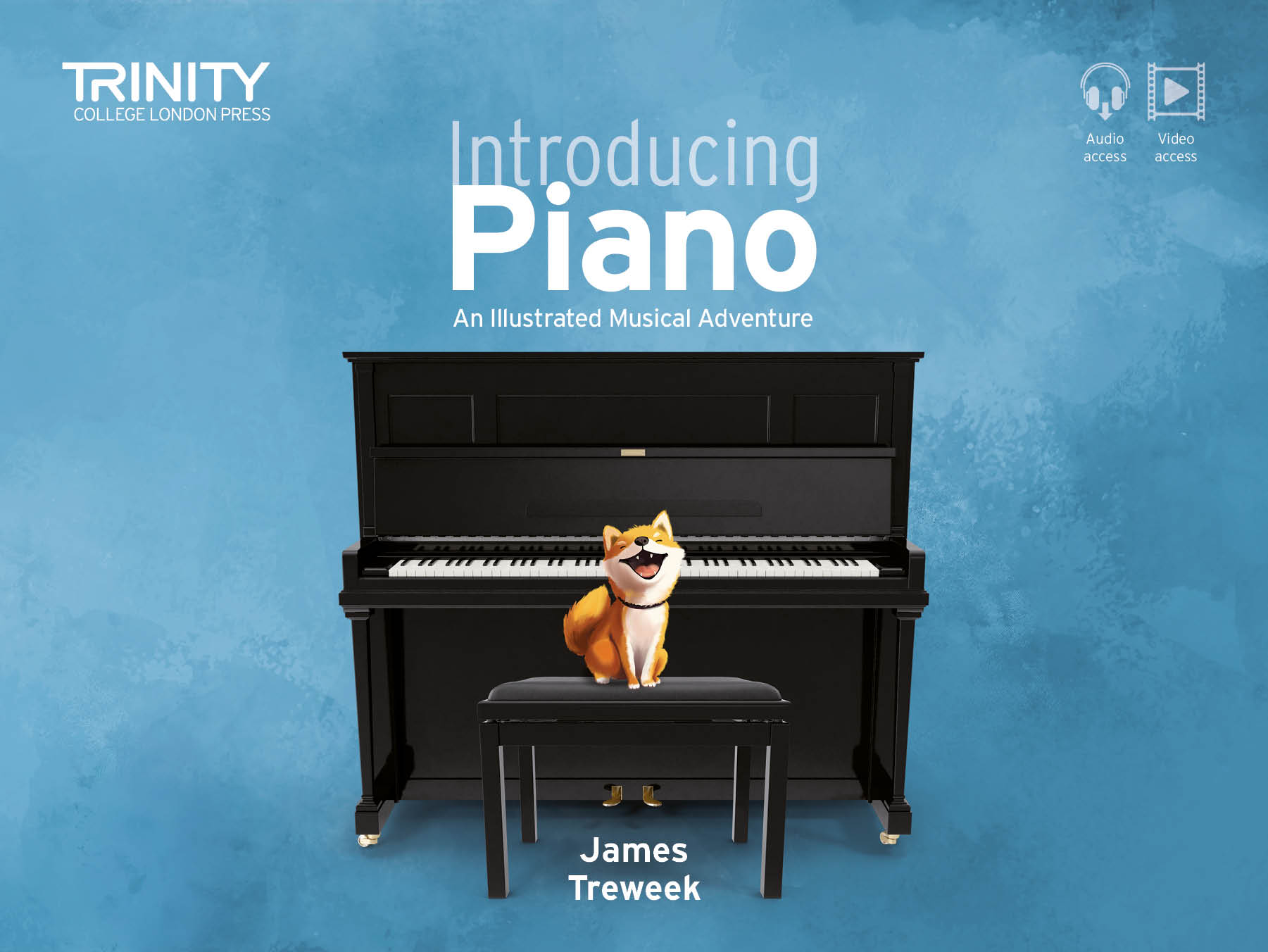
There is a dizzying amount of learning material out there for the beginner, and it can be a little overwhelming as to know where best to look. The good news is that we’ve come across a brilliant, brand-new beginner course from Trinity which should be just up your piano-learning street – Introducing Piano: An Illustrated Musical Adventure. Available both in print and as an ebook, the course takes pianists through the early steps of learning notation and piano technique. It's an ideal introduction for beginners and works equally well for all types of players whether classical or pop. Through a series of varied and practical play-along pieces, exercises and teacher-student duets, each element is progressively introduced. And, to keep learners motivated, the book is beautifully illustrated with characters who offer fun stories, helpful tips and reminders.
In addition to audio demos at three different speeds (isn’t that neat!), each piece includes a video showing where fingers should be placed – with easy-to-see light-up keys. There are also animated videos to illustrate concepts of posture and technique. Subjects include: geography of the piano & posture; note names & durations; time signatures & key signatures; dynamics & articulation (legato and staccato techniques); intervals, accidentals, chords & harmony; ties, swing & syncopation; scales & finger exercises.
Exams and repertoire
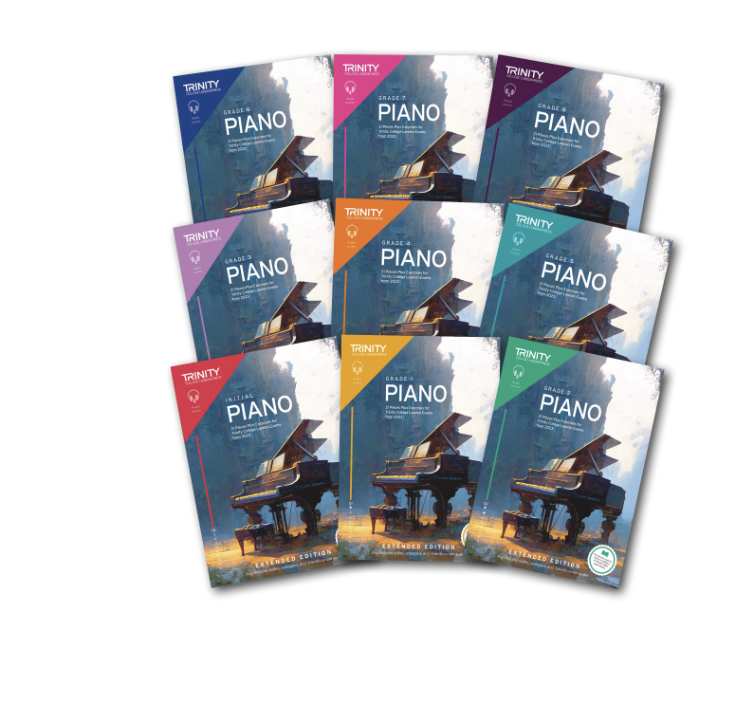
Once you’ve worked your way through a course such as Introducing Piano, you might feel ready to take on the challenge of a piano exam! One of the most esteemed exam boards is Trinity College London Piano or Rock & Pop Keyboard exams; you will find lots of engaging and exciting repertoire in its Piano Exam Pieces & Exercises from 2023 (Trinity have all piano exam ebooks covered as well, if you prefer the digital format). If it’s more repertoire that you’re after, the Trinity Repertoire Library series (edited by Christine Brown) has some wonderfully rewarding pieces by the likes of major composers (plus lesser know ones too) from the Baroque, Classical and Romantic periods, including Beethoven, Mozart and Schubert. These are really excellent books, carefully edited with useful performance instructions and intelligent fingerings.
Organise your time
Even before you start, it’s important to consider how much time you will have to practise. Can you practise at home or at your workplace? The essence of good practising, whether you’re an advanced musician or someone who has just started out, is all about successfully managing time. Quality is far more important than quantity.
Finally...
Good piano playing, as any good piano teacher will tell you, is all about the correct use of the whole body. Some teachers use Alexander Technique and yoga when teaching, so you might be interested in this kind of approach. Or you can always get your body into gear straight away by taking up some kind of gentle exercise right now.
Good luck!
Main image: © Trinity College London Press Ltd