



21 January 2026
|
Don’t get out your wallet before reading our comprehensive guide: David Stevens covers everything from budget to aftercare
Two men are trying to deliver a piano up a long flight of steps leading to an apartment in a Los Angeles suburb. The piano – actually a pianola – is in a wooden crate and had been ordered earlier in the day by a Mrs Theodore Schwartzenhoffen as a surprise birthday present for her husband. Unfortunately, the company delivering the piano is run by Messrs Laurel & Hardy, so mayhem is sure to follow and the piano is destroyed with an axe by the irate Prof. Schwartzenhoffen, who thinks that it has been delivered to his address by mistake. If only Mrs S. had exercised due diligence before purchasing the instrument perhaps the poor pianola could have been spared such a wretched fate. Her experience should be a lesson to anyone contemplating the acquisition of a piano.
So what factors do you need to consider before deciding to invest in a piano? For many people a piano is probably the third biggest outlay they ever make in their lives, after property and a car, so it’s good to get the procedure correct from the beginning. Where to start?
A great way to start is by reading Pianist's Piano Buyer's Guide 2026!
Carry on reading, in the meantime...
Budget
Determine how much you have to spend. It is even possible to find a piano for nothing if you know where to look. Perhaps an instrument is being given away for some reason or is part of a house clearance or in a classified ad in a local newspaper. Whatever the case, there will almost certainly be hidden costs involved when you actually acquire a piano, such as removal, tuning and aftercare.
The concert pianist Martin Roscoe says it should be possible to purchase a decent upright piano for £2,000-£3,000 and a smallish grand from £10,000 upwards. The advice from Paul Shearman of Vale Pianos, Worcestershire, is to invest as much as you can afford; after all, you would hope and expect to be playing it for years.
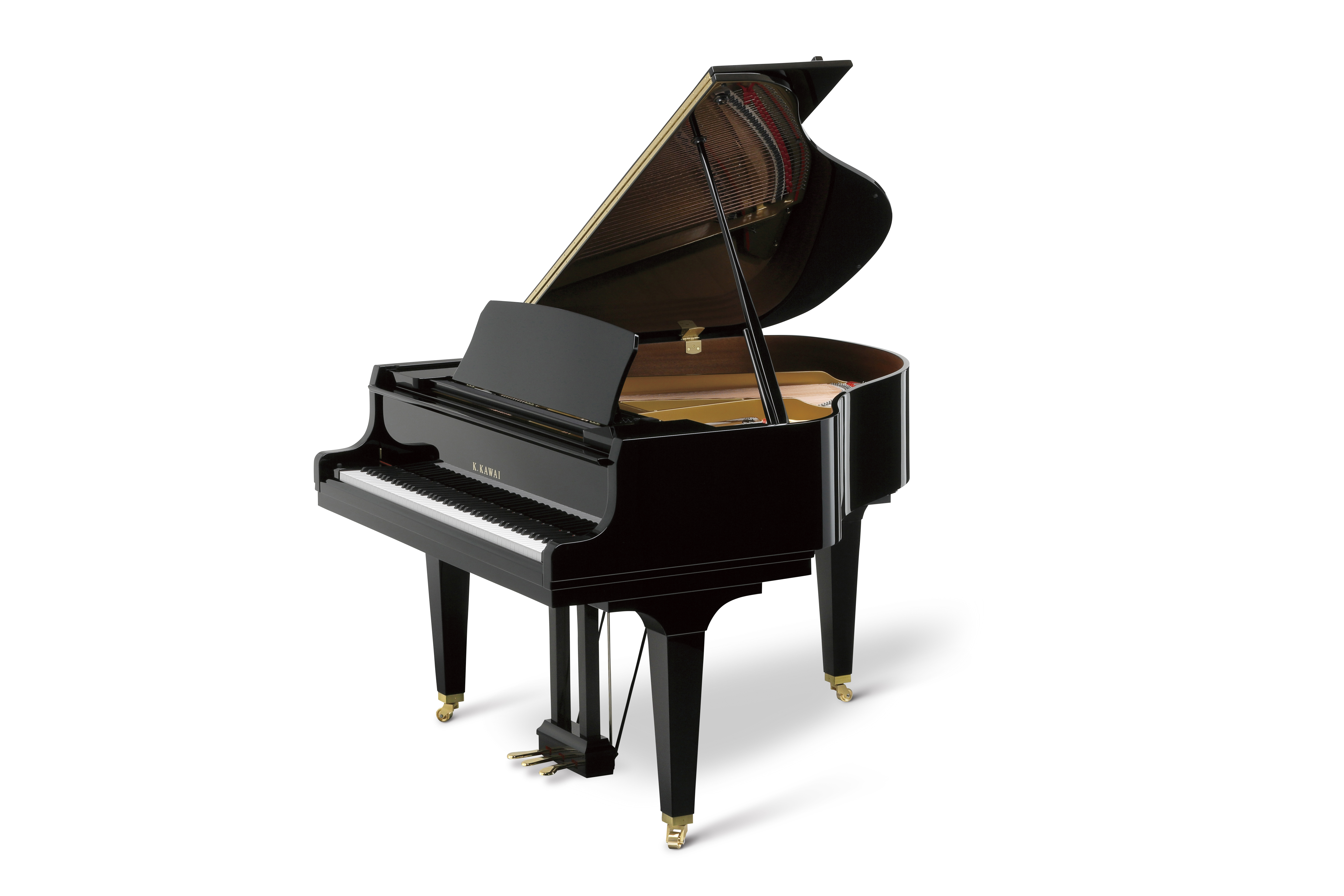
Grand or Upright
There are several factors to consider. For obvious reasons to do with how the two sorts of piano are made, a grand piano is preferable. It will sound better, with more tone and resonance than the average upright. However, I recommend that you avoid a ‘baby’ or ‘boudoir’ grand. The string-length of such instruments, part of which is responsible for the resonance and volume of sound, is often shorter than that to be found in an upright piano.
Do consider who will be playing the instrument. If it is to be bought for a child to play, you should think about an instrument with a light action. Little fingers may struggle with bigger, heavier, beasts. It’s a false economy to buy an inexpensive piano because it’s ‘only for little Lucy or Tarquin,’ and hope to trade up later with all the further attendant costs. The hapless child may become disillusioned and will know instinctively that he or she has been fobbed off with an inferior instrument; much parental hand-wringing may ensue.
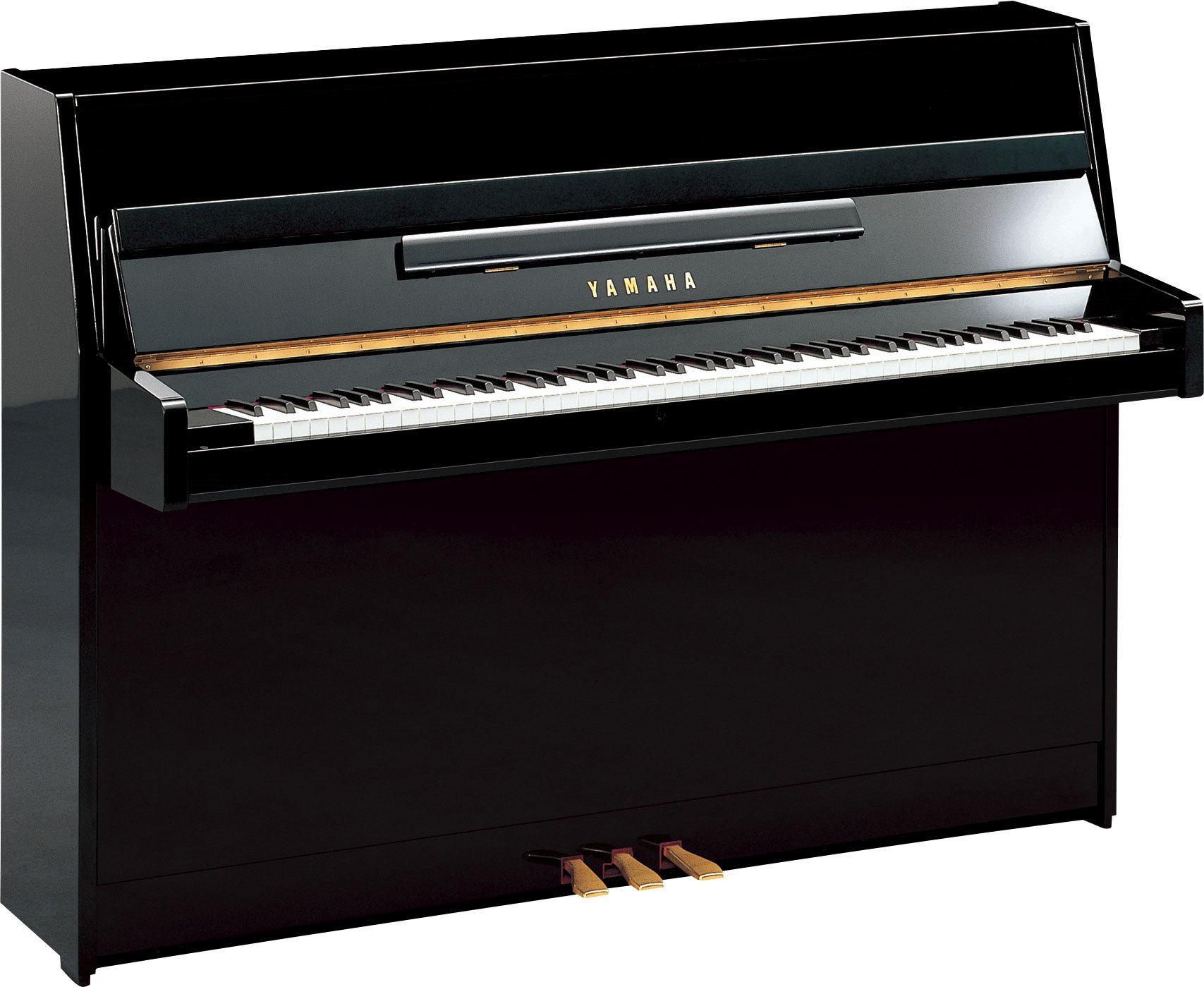
Where will the piano will be housed? A bigger instrument will require a large room to accommodate its richness and volume. Consider whether the room has a stripped wooden floor and bare walls or has wall-to-wall carpeting, heavy curtains and furniture to absorb the sound. Such factors have a profound effect on how a piano sounds when it’s in situ. It would also be prudent to have a word with any neighbours who might have an interest in your proposed acquisition; and try to position the instrument away from a party wall.
Used or New?
It’s a myth that pianos, like some fine wines, mature with age. The build and quality of recently manufactured pianos is now so good that even the purchase of a less well-known marque is unlikely to disappoint. So if you can, buy new. Your first port of call should be a specialist dealership, which will also probably stock a number of used or reconditioned instruments for sale. See overleaf for more detailed advice about picking your way through the second-hand piano market: it can be a bit of a minefield.
Piano Dealers
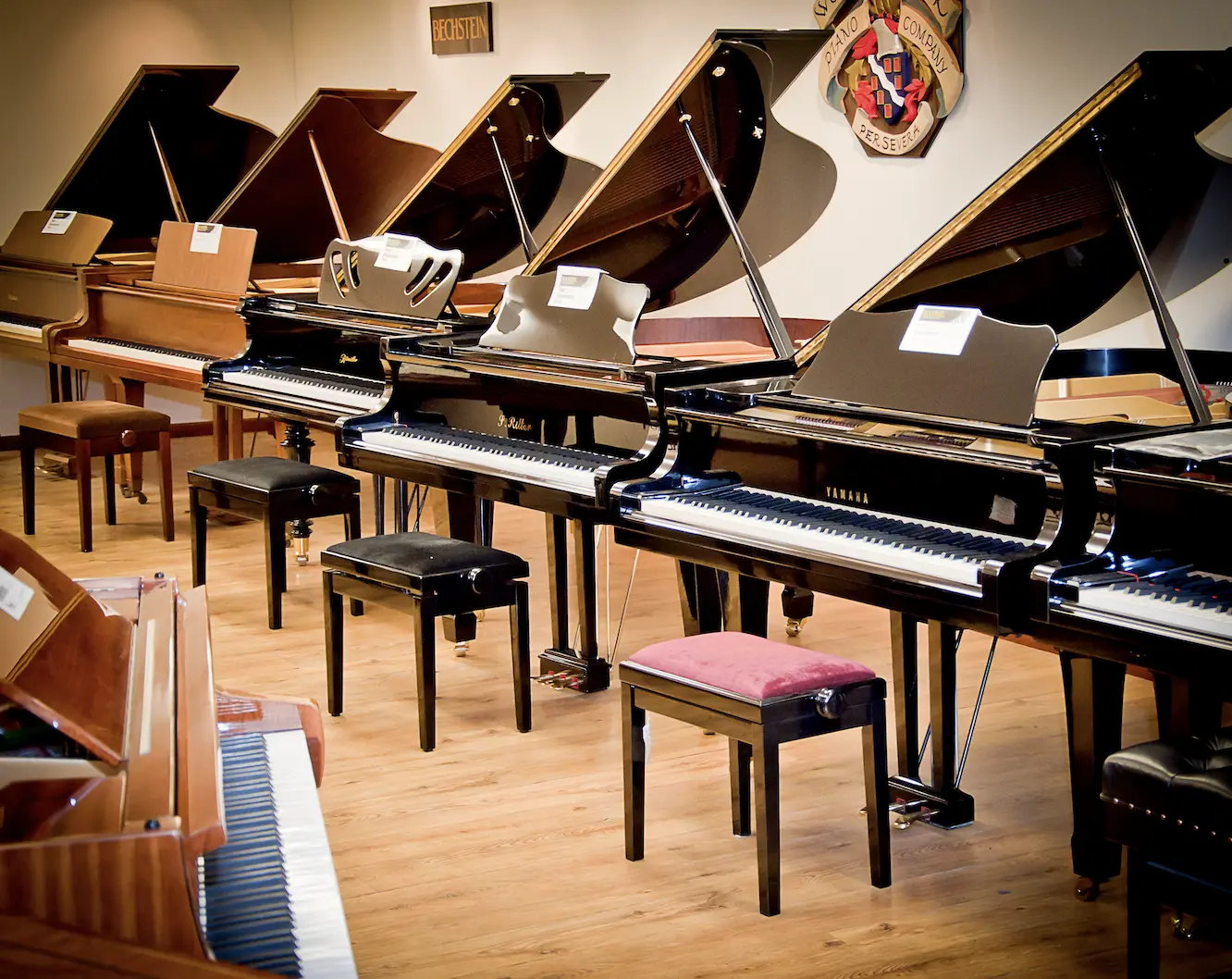
Buying a piano from a recognised dealer has many advantages. There will almost certainly be a large range of instruments to choose from, both new and used; the dealer can offer help and advice and you have the security of a guarantee should anything go wrong later. If you’re interested in a particular instrument, be prepared to haggle over the purchase price, as you would when buying any major item, and maybe obtain an aftercare maintenance or tuning deal.
Many dealers include the cost of transport of the piano to your home. A used or reconditioned piano should come with a dealer warranty. The dealer will have technicians on hand to service and tune the piano before delivery and also provide ongoing tuning and servicing.
If you have a piano to sell, the dealer may offer you an instrument in part-exchange. Whatever you do, try before you buy, and play as many instruments as you can. No two pianos sound or feel identical, even if they appear to be similar in all respects. If you can’t play the piano yourself, or are buying for a third party, take someone along with you to put the pianos through their paces. If you can’t find anyone, give your local music college a ring and ask it to recommend to you a student who will, for a small fee, step into the breach and act as your eyes and ears.
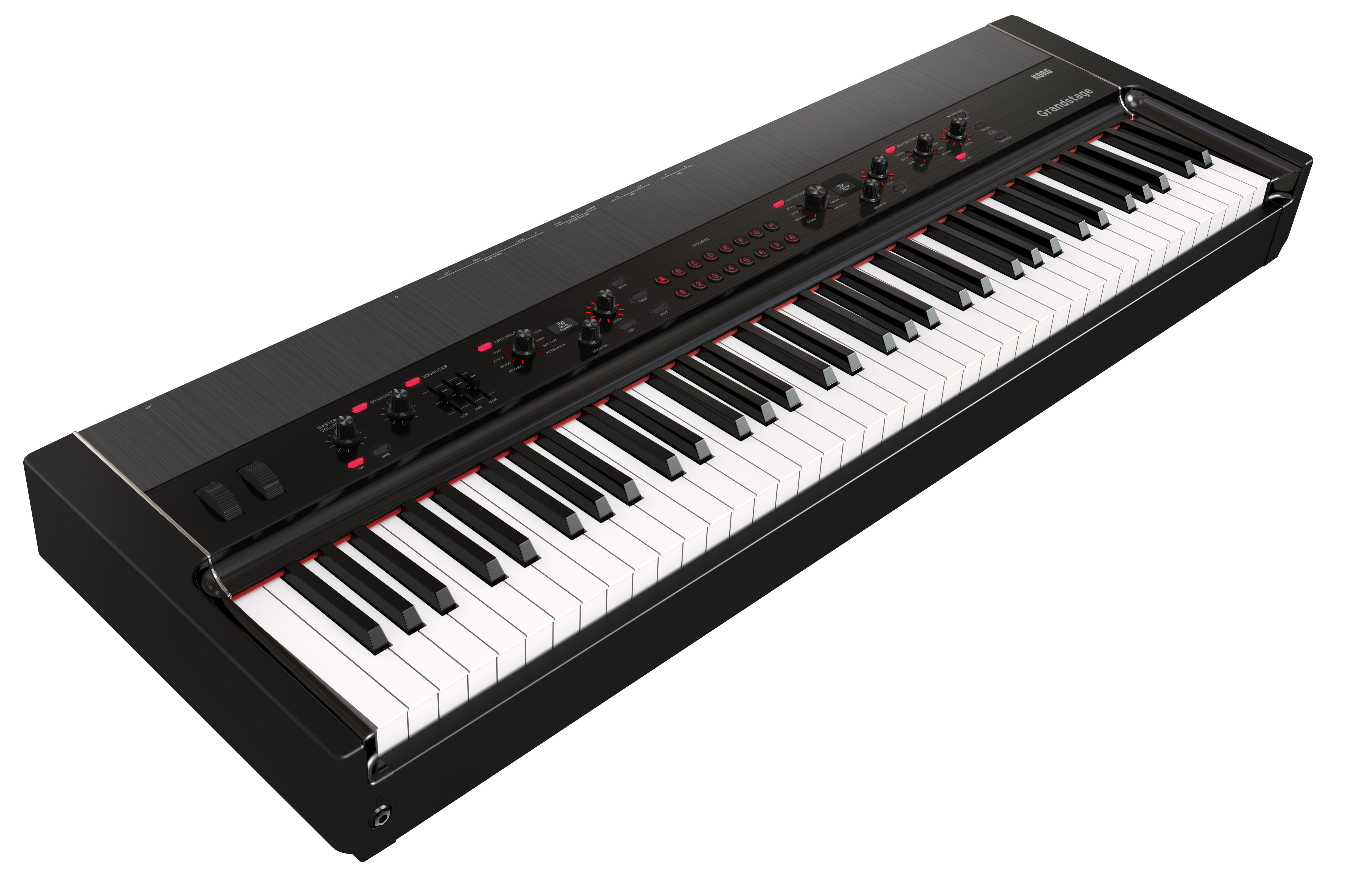
Digital pianos
‘A good quality digital piano can be an excellent starting-point for a piano student, especially as he or she can practise with headphones and connect to a computer for recording and composing.’ That’s the view of Paul Shearman. He also suggests considering a hybrid piano which combines acoustic and digital qualities in the same instrument.
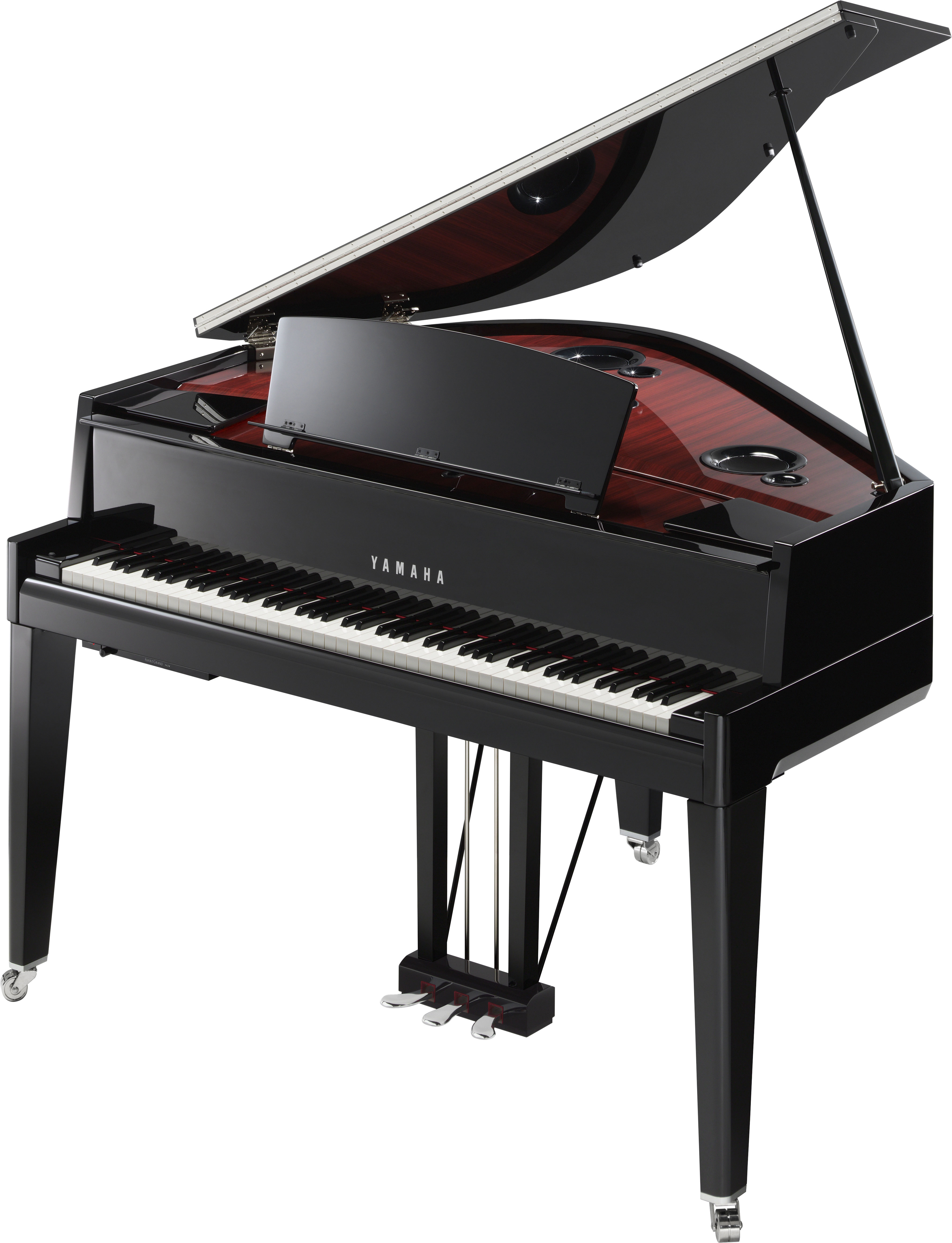
Nigel Scaife of The Piano Shop Kent agrees. ‘The technology has certainly come a long way in the last decade and now the touch of many digital piano models is amazingly realistic, but having the sound emit from speakers – however good that sound may be – will never truly replicate the sonority of an acoustic instrument.’
While stocking digital pianos, Scaife encourages customers to buy acoustic, mainly because he says the rewards are greater when playing an instrument which he considers responds in a more musically satisfying way. Many of his digital piano customers buy them as a second instrument to play when travelling or on holiday. For him, ‘learning the piano is a difficult task and beginners need all the encouragement they can get. Either buying or renting a real piano, perhaps a second-hand model that is well-regulated and has a good tone, is generally a better option for beginners than a digital piano. Greater enjoyment will be gained from an acoustic rather than digitally generated sound and the real piano will still sound and look great in many years’ time.’
However digital pianos should not be underestimated. f you’re considering one, you should certainly be comfortable with the touch and sound first. Check that it has communication and compatibility features, such as Bluetooth, that will enable it to connect to other devices that you may require in the future. Many of the digital pianos on the market today have so many advanced features such as ever-improved quality of sound as well as the realism of weighted keys. And digitals become even more attractive to artists who want more than just a piano sound; of course one can spend a lifetime getting the touch and the dynamics just right on an acoustic, and we would all applaud that, but for at least as many of us there comes the thought: ‘how would that sound with some strings behind it?’
Searching for the perfect piano? Read Pianist's Piano Buyer's Guide 2026
You can watch an in-depth review of Kawai's CX Line here.