




20 February 2026
|
Thinking of purchasing a second-hand instrument rather than going for brand-new? You might find some great bargains, that's for sure – so here are some useful tips to think about before you search for your dream piano.
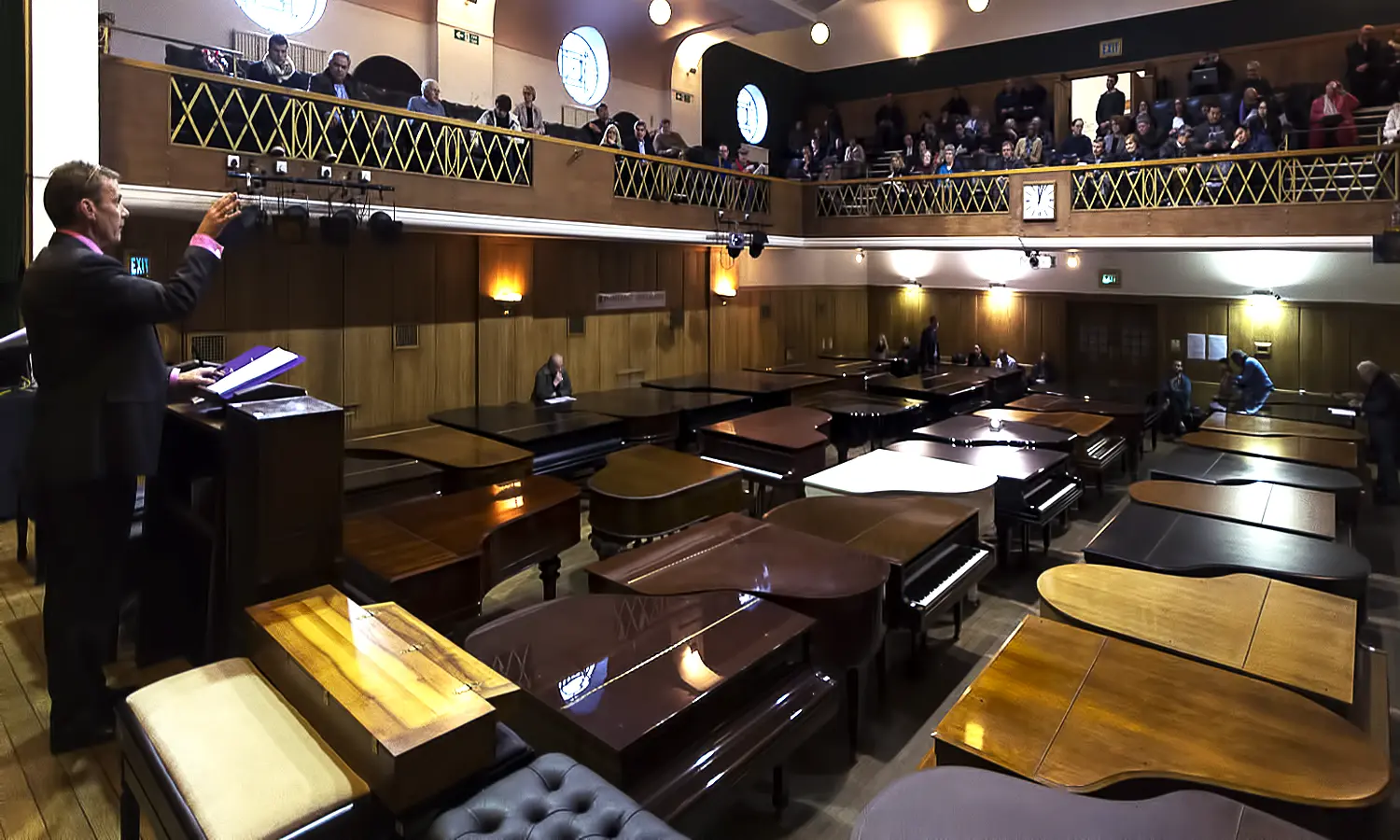
Whether you decide to buy a used piano from a dealer or from another source, such as privately, at auction or even on eBay, proceed with caution. If you are looking for a piano from a private source, expect to spend a lot of time on your search and even more time visiting the properties where pianos for sale are to be found. Small ads in your local newsagent or newspaper might throw up potential sources, but beware of unscrupulous dealers masquerading as private individuals. If you happen to notice a number of pianos being advertised over a period of time with the same contact number for them all, beware!
Whatever instrument you choose, you will almost certainly be faced with transportation costs. So, as with any large purchase, it’s always sensible to do your research before you start your quest.
Have an idea of what sort of piano you want and then decide whether you are happy to take the risk of buying privately or at auction. (It’s always advisable to go the dealer route.)
When buying a used piano reckon on spending up to 50 per cent of the price of a new piano of a similar type. Having done your homework, apply these tests to a potential instrument:
1 Check the condition and finish of the casework of the piano keys, castors, pedals, soundboard and hammers.
Fabrics inside the piano should look fresh and dust-free, and certainly not moth-eaten. Look out for buzzing noises, out-of-tune notes, sticking notes, cracks, rust on the strings or tuning-pins. You might also consider taking a torch, measuring-tape and camera with you. If you intend to seek the advice of an independent technician, take photos of different parts of any piano you are interested in before buying and email them to your technician prior to hiring him, so that he can advise you whether it’s worth investigating the instrument further. It will save time, and save you money!
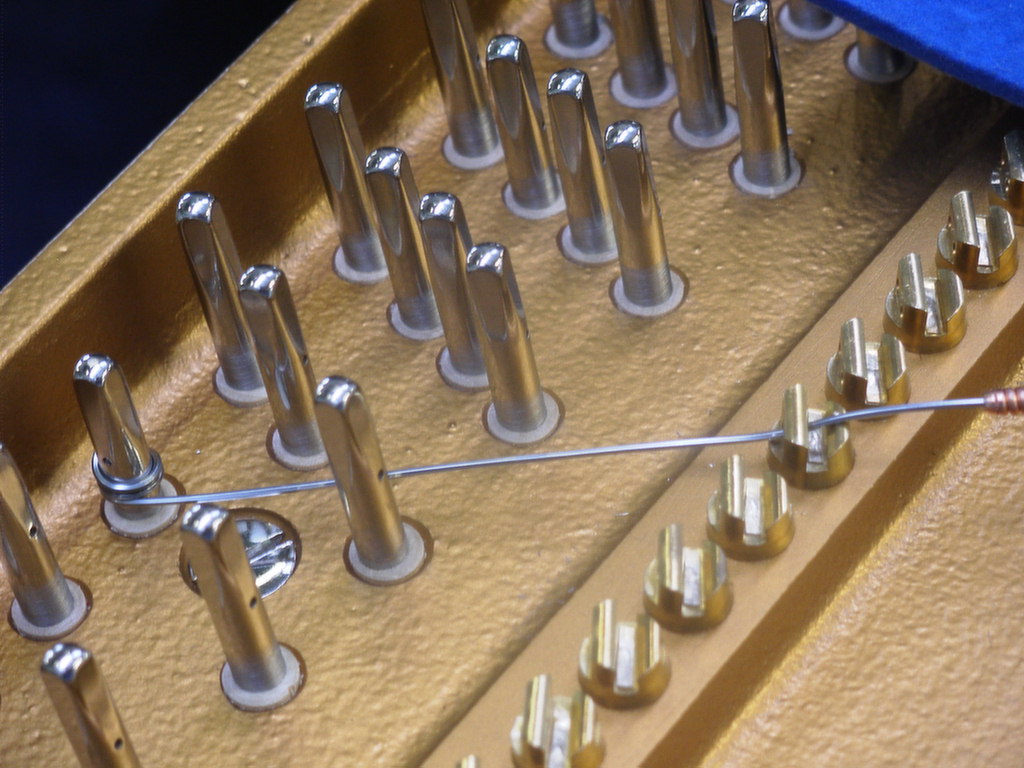
2 Check for overall uniformity in the strings or pins.
The presence of shiny new strings (replacing broken ones) may indicate that other strings might soon snap.
3 Check the instrument's tone.
Check the instrument’s tone. According to one concert pianist we spoke to, the decay (the way a note declines from its greatest volume into silence) is of great importance, particularly in the middle area of the keyboard, which gets the most use. The longer the decay, the better.
4 Take careful measurements.
You should also measure up in advance the area of your home where the piano will be housed, as well as the hallways and doorways through which it will have to pass. Stories abound of pianos having to be winched to an upper floor from outside, or of windows having to be taken out to get a piano into a property, all because the buyer hadn’t done his homework with measuring-tape and notebook beforehand.
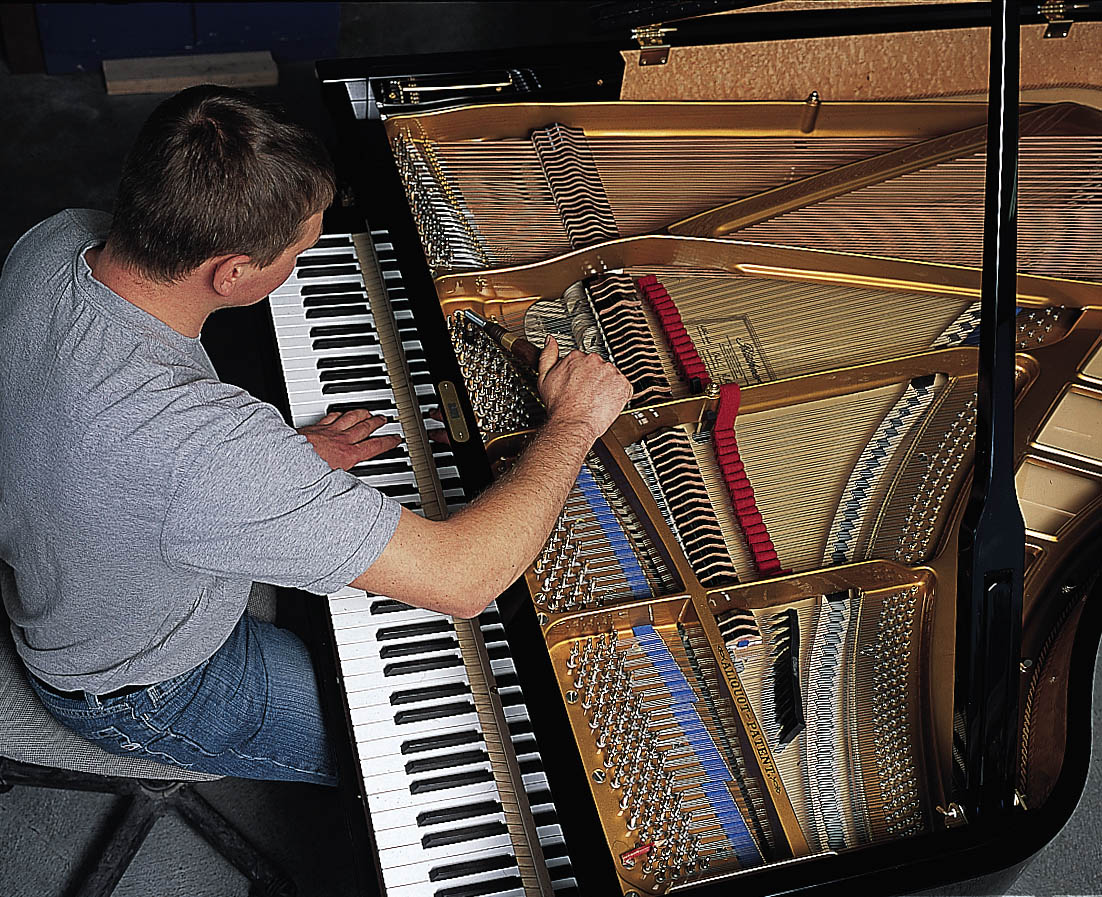
5 The piano should be tuneable.
Unless you are blessed with perfect pitch, take with you a tuning fork or pipe, and check the tuning. You might consider investing in a digital piano tuner (from £15 or so) to help you to assess whether or not an instrument is in tune. If it is badly out of tune throughout its entire range, don’t even give it a second thought, however much it might appeal to you in other ways.
6 Consider booking a registered piano technician to help you make your choice.
It will be money well spent, will give you peace of mind and could save you an awful lot of money; a second pair of eyes and ears is always helpful.
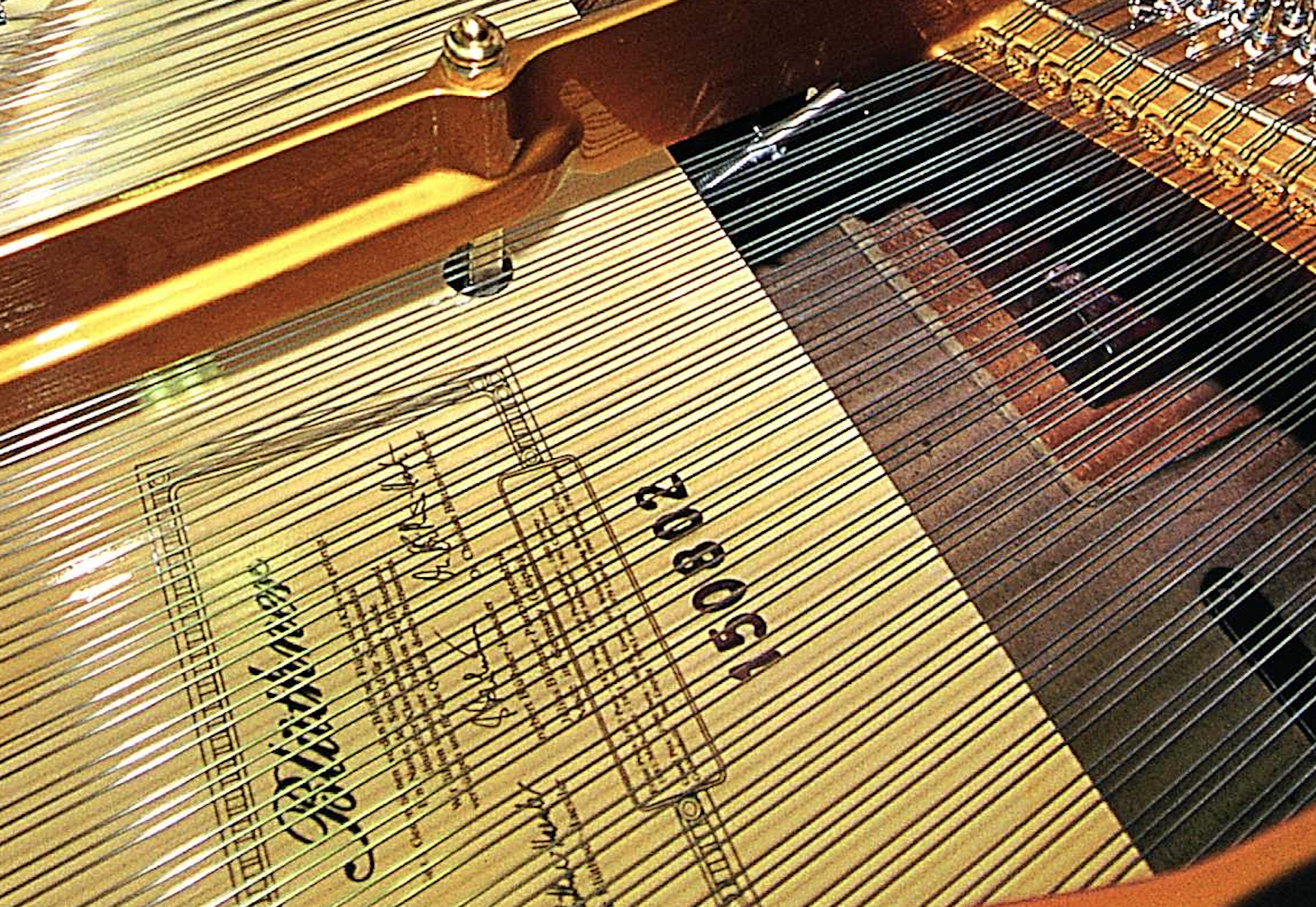
7 Check on the make of the piano and, if possible, find its serial number.
This should be fairly easy to locate on most newer instruments; on older models it might be found on the top of the soundboard at the bass end, but be prepared to dive under any older models (only grands, obviously!) and look for it with a torch on one of the large wooden braces under the cast-iron frame. If you are doing serious research, you could equip yourself with a copy of Bob Pierce’s Pierce Piano Atlas (or see www.piercepianoatlas.com) – an invaluable source for anyone interested in the production of pianos – which should be able to date any reasonably known make of piano to within a couple of years or so. Knowing the age of a piano could be vital in helping you decide whether or not to buy. According to our concert pianist, even the most expensive Steinways in the world’s greatest concert-halls probably have to be replaced every 20 years or so.
8 Does the piano come with a matching stool or bench?
If so, that’s probably a good indicator that the instrument itself has been well looked after in the past.
9 It's generally preferable to buy a reconditioned piano....
...rather than one which you intend to have overhauled after you have bought it. If you buy a reconditioned instrument from a dealer you should be able to get a warranty with it.
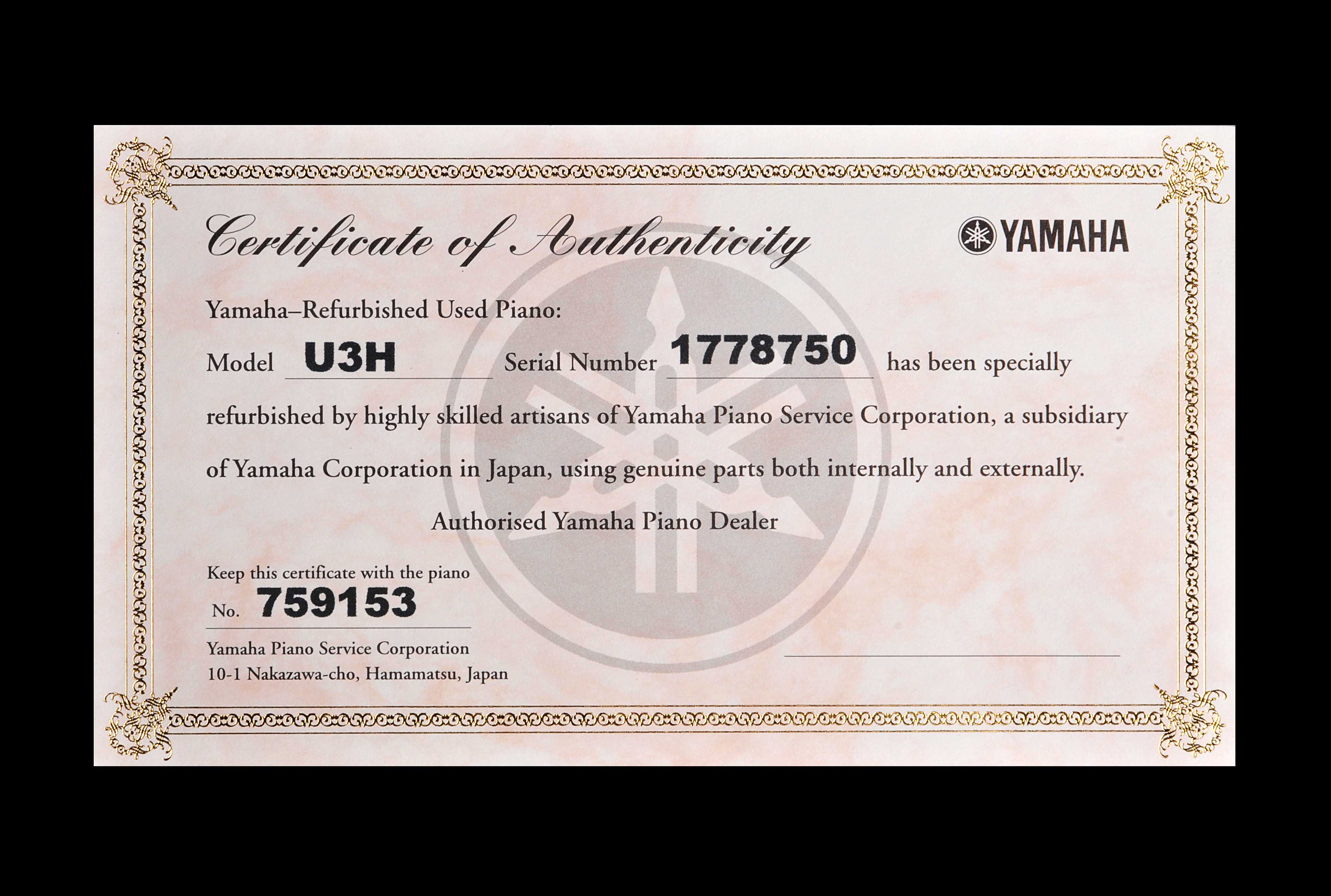
10 Check the ownership history, if possible.
|
And also try to find out when it was last tuned. You’ll probably get a ‘feel’ for any piano you’re interested in buying and the checks and balances mentioned above should help you towards making your final choice.
Look out for our article on piano restoration which features inside the next issue of Pianist magazine!
Lots more information about buying a piano can be found inside Pianist's 2026 Piano Buyer's Guide.
|